Sponsored article
How the diversity of vegetable offerings affects the competitive advantage of stores
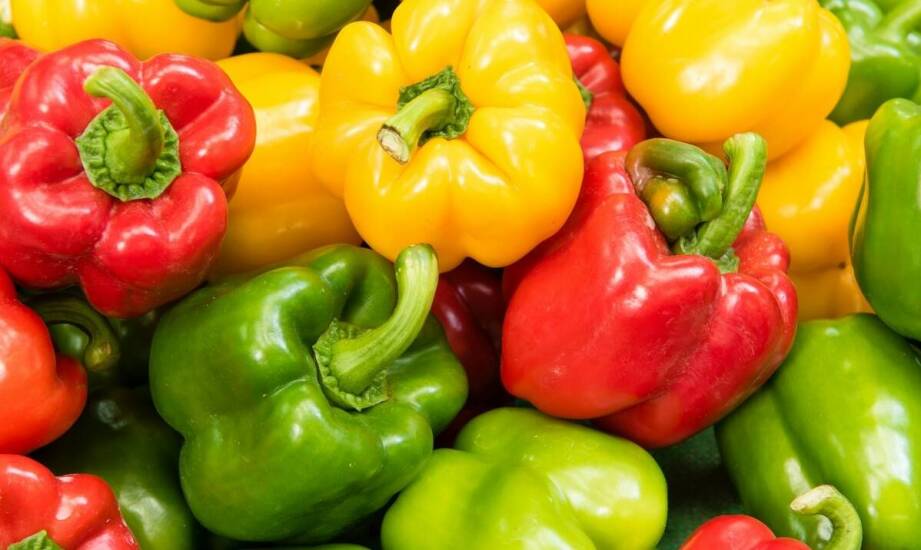
The diversity of vegetable offerings in stores is crucial for their competitiveness. A wide assortment of both local and exotic vegetables attracts customers and increases their loyalty. This article discusses the impact of diversity on consumer perceptions of the store and the benefits for wholesale fruit and vegetable distributors, highlighting the importance of this aspect in the industry.
Consumer preferences in vegetables
Nowadays, customers pay attention to healthy and fresh products, which influences their choice of shopping location. Vegetables with high nutritional value, such as broccoli, spinach, or carrots, are most sought after. Their availability at points of sale is crucial for meeting buyer expectations. Stores offering a rich assortment can better adapt to customer needs, translating to a competitive edge. It is worth investing in vegetable wholesale suppliers to enrich the offer and attract more buyers.
The importance of suppliers in vegetable offerings
Suppliers play a key role in the diversity of vegetable offerings by collaborating with local producers. This allows for flexible adaptation of the assortment to market needs. Effective logistics and relationships with partners impact the quality and freshness of products, which is crucial for customer satisfaction. The company focuses on sustainable development by growing organic mushrooms without synthetic fertilizers and pesticides. It offers different packaging options to ensure freshness during transport. Support and advice from a mushroom wholesale help stores choose the right products and sales strategies, translating to better sales results.
Ecological approach to offerings
A sustainable approach to the vegetable assortment and beyond significantly affects store perception and market position. The wholesale fruit and vegetable distributor supplies organic products, which attracts environmentally conscious customers. Stores offering such vegetables build a positive image and consumer loyalty. Organic farming is conducted without synthetic fertilizers and pesticides, affecting the quality and safety of these products. Supporting sustainable development by choosing the right suppliers and educating about the benefits of organic vegetables are key elements of a competitive strategy based on ecological solutions.
You might be interested

The History of Ceramic Mugs – From Tradition to Modernity

Customization of Laminated Packaging – How to Tailor It to Customer Needs?

How Do Drainage Systems in Entrance Mats for Buildings Affect Their Functionality?
